

What a detox retreat is
Strip a normal week of alcohol, coffee, sugar and processed food, eat simply, sleep a lot, walk every day and add something warm and slow for the body: yoga, a sauna, a massage. That is the core of most detox retreats, whatever the brochure calls it.
The food is where they differ. Some serve plant-based meals and nothing else. Some are built on juices and broths. Some are fasts, with water or a little juice for several days and a careful return to eating at the end. Some add practices from a particular tradition, and a few add ceremonies; those deserve their own reading before you book (see kambo, below).
Who should check with a doctor first
What "detox" means, and what it doesn't
In medicine the word has two meanings. Your liver and kidneys detoxify you all day, every day, with no help from a juice. And a detox, in a hospital, is supervised withdrawal from alcohol or drugs. A detox retreat is neither.
There is no good evidence that a cleanse removes toxins your body would otherwise keep, and a retreat that promises to "flush" something rarely says what or how it measured it. What people do report is easier to explain: a week without alcohol and sugar, early nights, daily walks and nobody asking anything of you. Many feel lighter and sleep better. The first two or three days often bring headaches, mostly from the missing coffee. That is withdrawal, not toxins leaving.
Where detox retreats happen in Ecuador
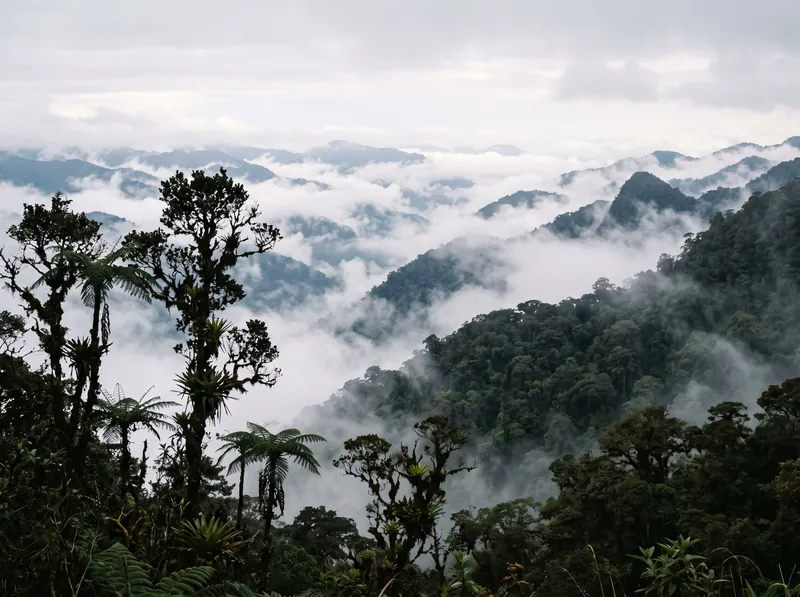
- The cloud forest around Mindo, two hours from Quito: rivers, waterfalls and birds for the daily walk, rain most afternoons for the rest.
- The Amazon, around Puerto Misahuallí in Napo: heat, rivers and a slower pace.
- The Andes south of Quito, near Machachi: cool air and long walks at altitude.
- The Galápagos, where a detox programme is usually part of a trip to the islands.
Wherever you go, the fruit is part of the point. Ecuador's markets sell naranjilla, passion fruit, tree tomato and babaco all year, and a juice in Mindo is usually made from something picked nearby.
Kambo and other add-ons
Some detox retreats in South America include kambo, the secretion of a tree frog applied to small burns on the skin, which makes people vomit. It is a strong practice with real medical risks and people who must not take it. Our kambo page explains it, and the risks, in plain words; read it before you book any retreat that includes it.
Kambo: what it is and who must not take it →
Ask the same question about anything else on the programme, from colonics to supplements to ceremonies: what is it for, who gives it, what is their training, and can you say no to it and still stay.
How to choose a detox retreat
- Who plans the food, and what training do they have?
- What exactly do you eat on a typical day? "Cleansing menu" is not an answer.
- Is there a health form before you arrive, and what happens if you feel unwell there?
- What is included: lodging, every meal or juice, the treatments, transport from Quito?
- Is anything on the programme compulsory?
Prices follow the lodging and the treatments more than the food. Each detox retreat listed on this page gives its own price and what it includes; compare those, not the total.
A detox week in the cloud forest
Mindo sits at about 1,250 metres on the western slope of the Andes, inside the Chocó Andino de Pichincha Biosphere Reserve. Days are mild, in the low twenties Celsius, nights are cool, and mornings are usually clear. A week here is mostly walking: to the waterfalls across the Nambillo canyon, along the river, up the roads out of town at dawn when the birds are loudest.
Practical
- Mindo is at about 1,250 m on the western slope of the Andes, two hours by road from Quito.
- Days are mild, nights are cool, and it rains most afternoons.
- Flor del Valle runs direct buses from Quito's La Ofelia terminal, with tickets sold on the day. Ask the organizer whether a transfer is included, or read getting to Mindo from Quito.
- Bring layers, a rain jacket and shoes that can get muddy. The Mindo packing list has the rest.